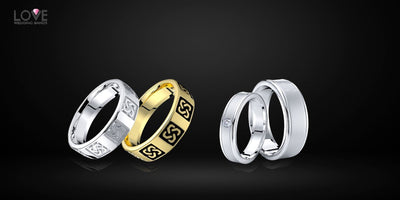
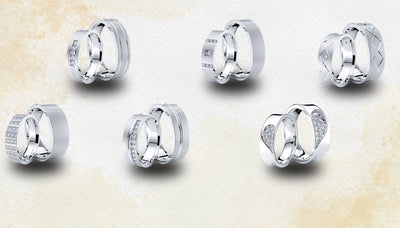
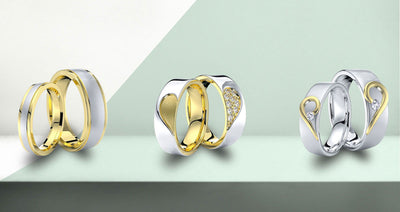
What is the best metal for his and hers wedding bands?
White gold is the most popular choice for his and hers wedding bands because it complements diamond engagement rings, photographs well in all light conditions, and suits both partners equally. Yellow gold is the best low-maintenance option and is trending bly among couples under 35. Rose gold is the most distinctive choice and is harder than both alternatives. All three cost approximately the same at the same karat. White gold requires rhodium re-plating every 1–2 years; yellow and rose gold require no plating. For most couples choosing their first his and hers set, 14K white gold is the safest starting recommendation — but the right choice ultimately depends on her engagement ring metal, your skin tones, and your aesthetic preferences.
| Metal | Popularity Rank | YoY Growth | Avg. Rating |
|---|---|---|---|
| White Gold | #1 — Most Popular | +12% vs 2025 | 4.8 / 5.0 |
| Yellow Gold | #2 — Rising Fast | +31% vs 2025 | 4.9 / 5.0 |
| Rose Gold | #3 — Classic Modern | +8% vs 2025 | 4.8 / 5.0 |
| Platinum | #4 — Premium Segment | +5% vs 2025 | 4.9 / 5.0 |
White Gold Wedding Bands for Couples
White gold is not a naturally occurring metal. It is created by alloying yellow gold with white metals — typically palladium or silver — to produce a naturally warm-toned alloy that is then plated with rhodium, a platinum-group metal, to achieve its signature bright white finish. The result is a ring that looks cooler and crisper than yellow gold, with a contemporary aesthetic that photographs exceptionally well.What white gold actually looks like
At its best, white gold is the most reflective and diamond-like of the three gold colors. It has a clean, modern appearance that reads as contemporary without being trendy — it won't look dated in wedding photos taken two decades from now. For his and hers wedding band sets, the bright neutral tone of white gold works equally well on masculine and feminine band profiles, making it the most versatile choice for coordinated couple sets.Durability and maintenance
White gold is an extremely durable daily-wear metal. The gold alloy beneath the rhodium plating is hard-wearing and scratch-resistant. The one maintenance consideration: rhodium plating is a surface finish, not a permanent coating. With regular daily wear, the rhodium will gradually thin and warm-tone areas of the underlying alloy may become visible — typically at areas of highest contact on the inside of the band. A rhodium re-plating service from any qualified jeweler restores the finish completely in under an hour, and typically costs $30–$80. Plan for re-plating approximately every one to two years depending on wear frequency.- Maintenance level: Low to moderate — rhodium re-plating every 1–2 years
- Durability: Excellent — the hardest of the three gold options when properly alloyed
- Best for: Couples who want a modern, crisp look; anyone with a diamond engagement ring (white gold complements diamonds best of any metal)
- Price range: Mid-range — comparable to yellow gold at the same karat
“White gold's dominance in the bridal market comes down to one thing: diamond compatibility. When a bride already has a white metal engagement ring, the visual logic of a matching white gold wedding band is almost unassailable. That said, when couples are choosing both engagement ring and wedding bands from scratch, I'm seeing more and more choose yellow gold — and loving it.”
— Dr. Sarah Chen, GIA Graduate Gemologist, 14 years in bridal jewelry
OUR PICK: White gold is our top recommendation for most couples choosing his and hers sets. It photographs beautifully, works with all skin tones, complements diamonds, and its neutral tone makes the two rings look clearly coordinated without being identical. The majority of our best-selling his and hers sets are in 14K white gold.
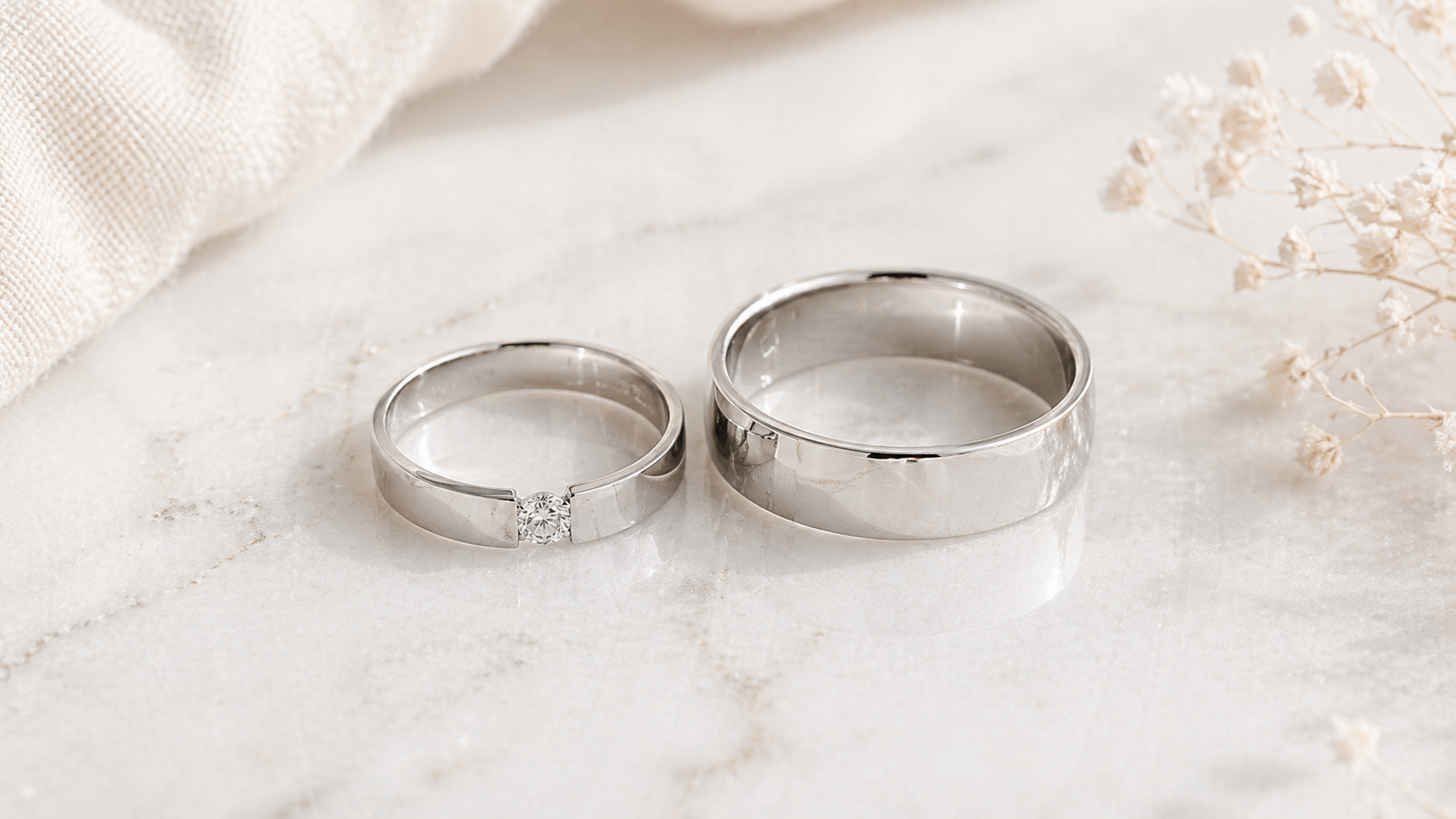 Shop white gold his and hers wedding bands →
Yellow Gold Wedding Bands for Couples
Yellow gold is the original wedding band metal — and it's having a serious moment right now. After years of being overshadowed by white gold and rose gold, yellow gold has returned bly among Gen Z and millennial couples who value its warmth, its longevity, and above all its authenticity. There is no coating to maintain, no plating to refresh. What you see is what the ring is — and it will look exactly this way 50 years from now.14K vs 18K yellow gold — what couples need to know
14K yellow gold (58.5% pure gold) is harder, more scratch-resistant, and better suited to active daily wear. Its slightly less saturated yellow tone still reads as unmistakably warm gold without being overly yellow. 18K yellow gold (75% pure gold) is softer and more easily scratched, but its richer, deeper yellow color is visually striking — particularly for wider men's bands where the color saturation reads beautifully. For couples with active lifestyles, 14K is the practical recommendation. For couples who prioritize appearance above all else and are careful with their jewelry, 18K is the luxurious choice.Yellow gold for couples specifically
Yellow gold is the warmest-toned option for gold wedding bands for couples, and it works particularly well for couples who love vintage, antique, or Art Deco-inspired aesthetics. It complements warm skin undertones (olive, golden, and deeper skin tones) beautifully — though it is genuinely flattering across all complexions. For his and hers sets, the warm tone creates a cohesive, rich visual bond between both rings that reads as intentionally traditional.- Maintenance level: Very low — no plating required; polishing occasionally to maintain shine
- Durability: Excellent at 14K; moderate at 18K (softer, scratches more readily)
- Best for: Couples who love traditional or vintage aesthetics; warm-toned skin; anyone who wants a genuinely low-maintenance daily-wear ring
- Price range: Comparable to white gold at the same karat
“The yellow gold renaissance is real and I'm seeing it every week in my studio. Couples who come in committed to white gold will often handle a yellow gold sample and have second thoughts. The warmth, the depth — there's nothing artificial about it. And when couples understand that 14K yellow gold requires essentially zero maintenance compared to white gold, a lot of them make the switch. I always tell them: your grandparents chose yellow gold. They knew something.”
— Marcus Williams, Master Goldsmith, 22 years in custom bridal jewelry
STYLE NOTE: Yellow gold is currently the fastest-growing metal choice among couples under 35. If you're considering yellow gold but unsure, know that you're ahead of the trend rather than behind it — and that yellow gold photographs beautifully in both indoor and outdoor wedding environments.
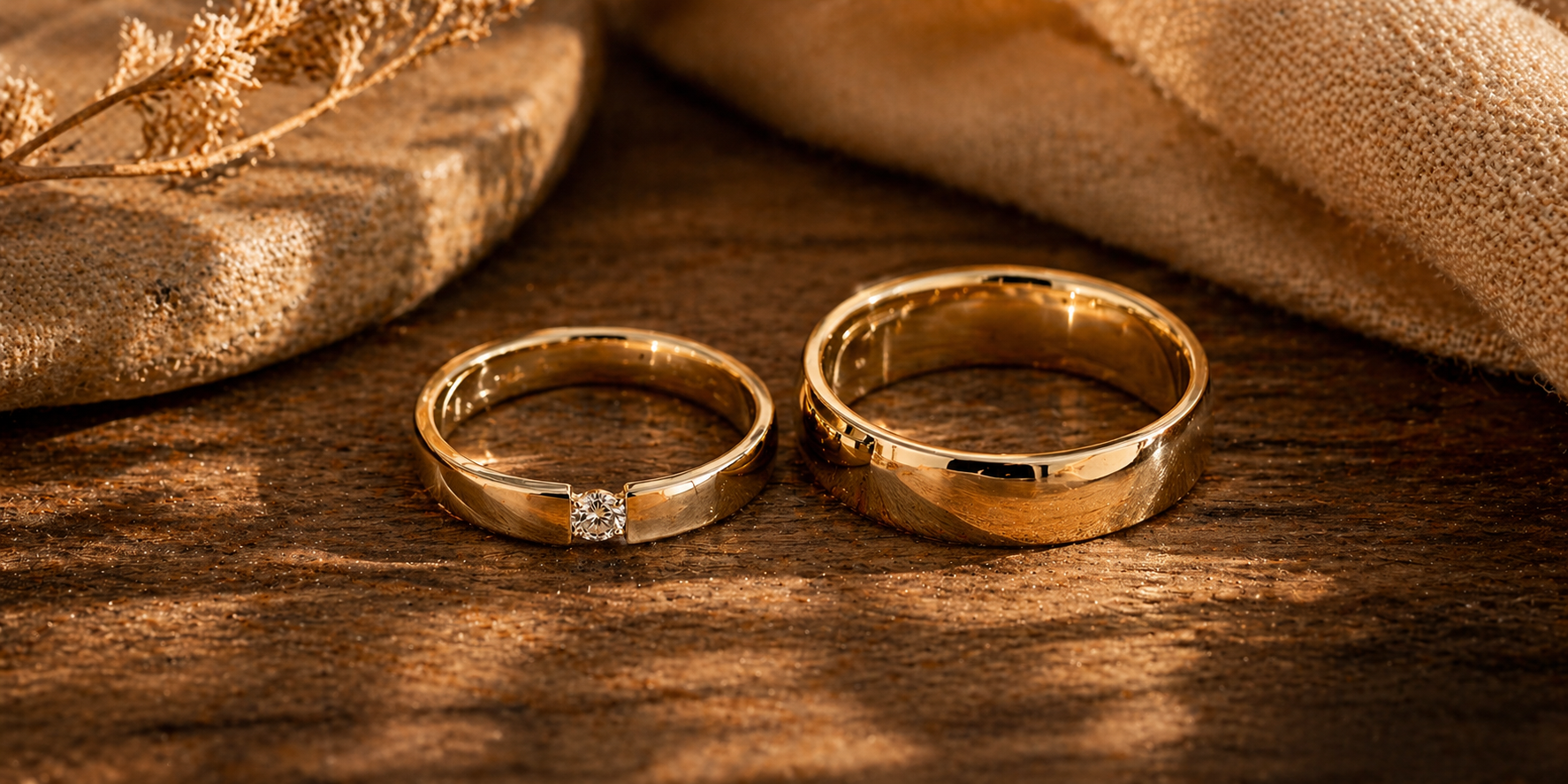 Pairing yellow gold bands with an existing white gold engagement ring? See our guide to his and hers wedding band trends 2026 which covers exactly how to mix metals successfully as a couple.
Rose Gold Wedding Bands for Couples
Rose gold is created by alloying yellow gold with copper — and that copper content is precisely what gives rose gold its two most distinctive characteristics: its warm, romantic pink hue and its superior hardness compared to other gold alloys. More copper means more pink, and it also means a harder, more scratch-resistant metal than either white or yellow gold at the same karat weight.The appearance of rose gold
Rose gold sits between warm and cool on the color spectrum — neither the pure warmth of yellow gold nor the cool crispness of white gold. Its blush-to-deep-pink hue reads as romantic and distinctive. Of the three gold metals, rose gold is the one that most reliably draws comments and questions — it is still less common than white or yellow gold in bridal settings, which gives couples who choose it a genuinely distinctive look.Does rose gold work for his band?
Yes — and more often than people expect. A wider rose gold band reads as warm and substantial on a man's hand, particularly at widths of 6mm and above where the copper-influenced color is visible and striking. For couples who want their rings to feel romantic and coordinated simultaneously, matching rose gold his and hers sets are one of the most visually distinctive options available. of the most visually cohesive options available. For couples where he is less certain about rose gold, a two-tone ring incorporating rose gold alongside another metal offers a middle ground that satisfies both partners.- Maintenance level: Very low — no plating required; the copper alloy maintains its natural color without treatment
- Durability: Excellent — copper content makes rose gold the hardest of the three standard gold options
- Best for: Couples who want something romantic and distinctive; works beautifully on all skin tones including very fair complexions where yellow gold can clash
- Price range: Comparable to white and yellow gold at the same karat
“Rose gold wedding band sets have a different energy than white or yellow gold. When both partners are wearing rose gold, the rings feel genuinely intimate — there's a warmth and a closeness that you don't quite get from a cooler metal. I've also found that rose gold photographs better than people expect, especially in warm or natural light. The one thing I always tell couples: rose gold will look slightly different on different skin tones, so it's worth seeing it in person before committing. But for couples who love the look, there's really no substitute.”
— Elena Vasquez, GIA Graduate, Custom Ring Designer, 10 years specializing in couples jewelry
TREND CONTEXT: Rose gold peaked in bridal jewelry between 2018 and 2022. It has since settled into what industry observers call “classic modern” status — no longer a hot trend, but no longer departing either. Couples who choose rose gold today are choosing it for its inherent qualities rather than its trend status, which is exactly the right reason.
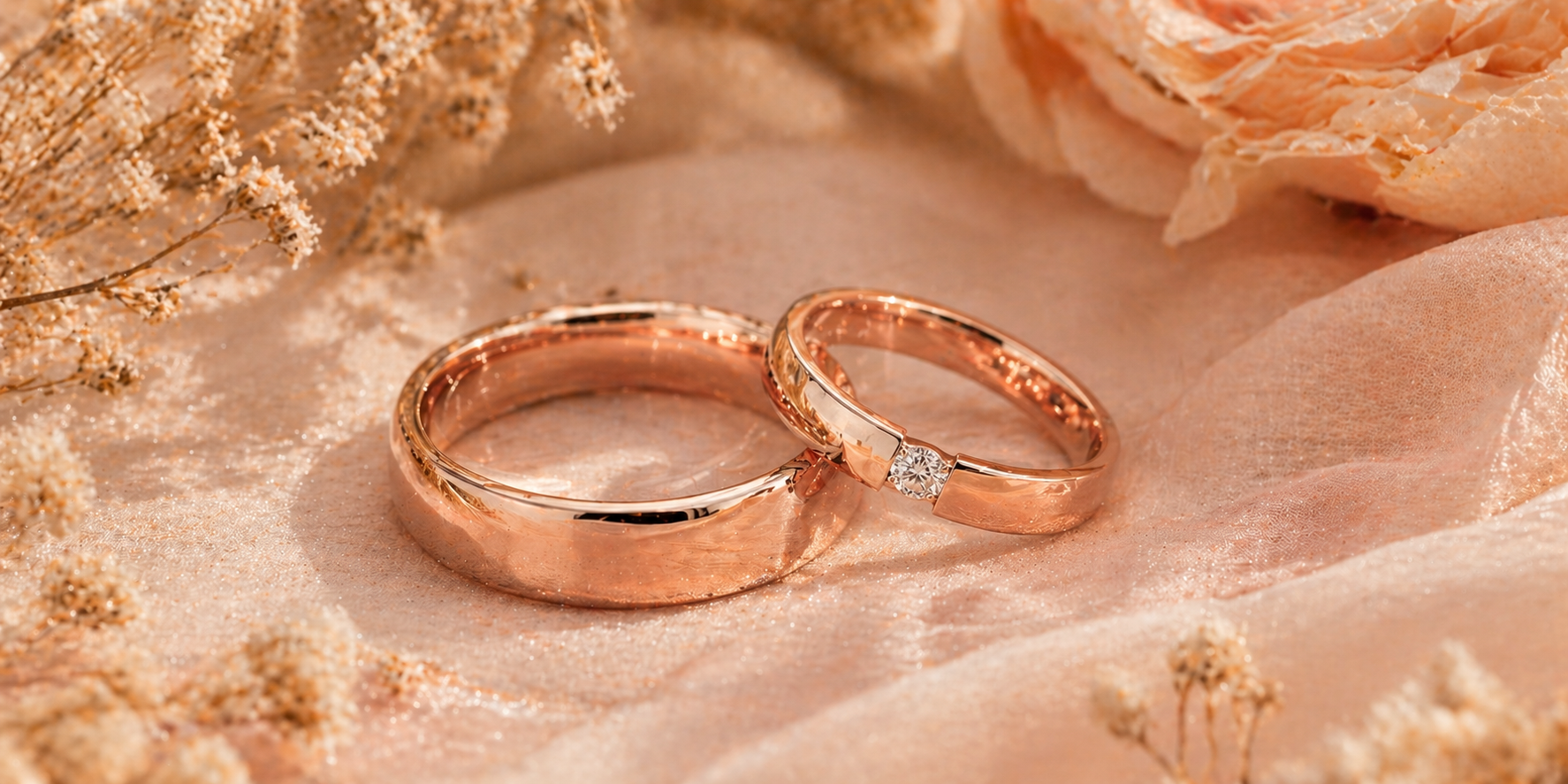 Curious which ring styles work best in rose gold for his and hers sets? Our 7 mistakes couples make when buying his and hers wedding bands covers style compatibility issues that rose gold buyers should watch for.
White Gold vs Yellow Gold vs Rose Gold vs Platinum: Side-by-Side Comparison
Use this table to compare the four most popular wedding band metals at a glance. This is the fastest way to identify which metal suits your priorities as a couple — and the table is structured to answer Google's most common comparison queries directly:| Metal | Color | Maintenance | Durability | Best For | Price |
|---|---|---|---|---|---|
| White Gold | Bright white, crisp, diamond-like | Re-plate rhodium every 1–2 yrs | Excellent | Modern couples; diamond engagement rings | $$ |
| Yellow Gold | Warm, rich, traditional gold tone | No plating — lowest maintenance | Excellent (14K) | Vintage/traditional look; warm skin tones | $$ |
| Rose Gold | Warm blush-pink, romantic, distinctive | No plating needed — very low maintenance | Excellent+ | Romantic, distinctive style; all skin tones | $$ |
| Platinum | Cool silver-white; slightly cooler than white gold | No plating — develops natural patina | Superior | Maximum durability; hypoallergenic needs | $$$$ |
Note on platinum: platinum is heavier, cooler in tone, and more expensive than gold — typically 40–60% more for the same design. For couples with metal sensitivities (gold allergy is usually a reaction to nickel, not gold itself), platinum is the best hypoallergenic option. For everyone else, a high-karat white, yellow, or rose gold is the practical choice.
What Works Best for His and Hers Sets Specifically?
Most metal comparison guides are written for individual ring buyers. This section is written for couples — because the decision looks meaningfully different when you're choosing two rings that need to work together.Matching metals: the easiest path to a coordinated set
The simplest way to make his and hers wedding bands look like a set is to choose the same metal for both rings. White gold bands in different widths, same finish — instantly coordinated. Yellow gold bands with a shared brushed surface — unmistakably a pair. You don't need identical designs; you need a shared visual language, and matching metal is the best and most reliable way to create it.Can different metals work for a his and hers set?
Yes — but it requires planning. If she gravitates toward white gold and he prefers yellow gold, the two metals need a unifying element to read as intentionally coordinated rather than accidentally different. Options that work well: choose rings from the same collection that share a profile shape, edge detail, or surface finish. Or choose two-tone rings that incorporate both metals within each band, creating a visual bridge between the two. What does not work: two completely different designs in different metals that were never intended to go together.What most couples actually choose
| Metal Choice | % of Couples | Why |
|---|---|---|
| White Gold (both) | #1 — Most popular | Modern look; diamond engagement ring compatibility; versatile |
| Yellow Gold (both) | #2 — Rising fast | Vintage aesthetic trending; no maintenance; warm skin tones |
| Rose Gold (both) | #3 | Romantic, distinctive; couples who want something unique |
| Mixed metals (planned) | #4 | Different personal styles; deliberate contrast with shared design element |
COUPLES INSIGHT: Couples who visit our store in person most frequently end up with white gold — but couples who order online after doing their own research choose yellow gold at a higher rate than any other metal. The trend toward yellow gold is real and growing, particularly among couples under 35 who appreciate its low maintenance and its honest, uncoated character.
What Other Couples Said About Their Metal Choice
After helping thousands of couples choose matching wedding bands, certain patterns emerge consistently in what they tell us after the fact:- “We almost went with rose gold, but switched to white gold at the last minute because of her engagement ring. We have zero regrets — they look perfect together.”
- “We chose yellow gold and everyone at the wedding asked about our rings. It made us feel like we’d found something people hadn’t seen in a while — in the best way.”
- “He was nervous about rose gold, but we both loved the idea. Eighteen months in and it’s still his favourite thing about getting dressed in the morning.”
- “We went with different metals — her white gold, his yellow gold. Our jeweler helped us find a shared profile shape. In photos they look intentional. That was exactly what we wanted.”
Shop His and Hers Wedding Bands by Metal at LoveWeddingBands.com
Whatever metal feels right for both of you — white gold, yellow gold, or rose gold — our matching his and hers wedding band sets are available in all three. Every set is designed as a coordinated pair with proportional widths for both partners and comfort fit interiors as standard. Free ring sizing is included on every order.
Frequently Asked Questions: Gold Wedding Band Metals for Couples
Q: What is the best metal for his and hers wedding bands?
A: White gold is the most popular choice for his and hers wedding bands and works best for most couples, particularly those with diamond engagement rings. It complements diamonds, photographs well in all lighting, and looks equally at home on masculine and feminine band profiles. Yellow gold is the best option for couples who want zero maintenance — no plating required, ever. Rose gold is the most distinctive choice and is the hardest of the three. All three cost approximately the same at the same karat weight. The “best” metal depends on your engagement ring metal, your skin tones, and your style preference.
Q: Is white gold or yellow gold better for wedding bands?
A: Neither is objectively better — they suit different couples. White gold is better for couples who have diamond engagement rings or prefer a modern, crisp look. Yellow gold is better for couples who want a low-maintenance ring with a warm, timeless aesthetic. White gold requires rhodium re-plating every 1–2 years to maintain its bright finish; yellow gold requires no plating at all. Both are equally durable at the same karat. Yellow gold is currently growing faster than white gold in bridal jewelry, with a 31% year-over-year increase in popularity.
Q: Does rose gold fade or tarnish over time?
A: Rose gold does not tarnish and does not require plating, but it can change appearance over time in a different way. The copper content in rose gold can cause a very gradual deepening of the pink tone with extended wear — a natural process called “patina.” This is subtle and most wearers find it desirable, not problematic. Unlike white gold (which loses its rhodium plating and reveals the warmer alloy beneath), rose gold’s color change is a feature of the metal itself, not a maintenance failure. A simple professional polish restores the original finish.
Q: Can you mix metals in his and hers wedding bands?
A: Yes, mixing metals in his and hers wedding bands can work well when done intentionally. The key is finding a unifying design element — matching profile shape, edge style, or surface finish — that visually connects the two rings despite different metals. Two-tone rings that incorporate both metals are another effective solution. What doesn't work is choosing two unrelated rings in different metals that have no design connection. If you're considering mixed metals, look for rings from the same collection that were designed to be worn as a pair.
Q: What is the most durable metal for wedding bands?
A: Of the standard gold options, rose gold (14K) is the most durable because its copper alloy content makes it harder than white or yellow gold at the same karat. Platinum is more durable than all gold alloys and is the best choice for couples who want maximum long-term resilience — though it costs significantly more. 14K gold (any color) is substantially harder and more scratch-resistant than 18K gold. For active couples who work with their hands, 14K rose gold or 14K yellow gold are the two most practical choices.
Q: How often does white gold need to be re-plated?
A: White gold wedding bands typically need rhodium re-plating every 1 to 2 years, depending on how frequently the ring is worn and how active the wearer is. Signs that re-plating is needed: the ring begins to look slightly yellow or warm-toned, particularly on the inside of the band where contact is highest. Re-plating is a quick, inexpensive process — typically $30 to $80 at any qualified jeweler and takes less than an hour. It fully restores the original bright white finish.
Q: Which gold color looks best on different skin tones?
A: All three gold colors — white, yellow, and rose — work on all skin tones, but certain pairings are particularly striking. Yellow gold is especially flattering on olive, golden, and deeper skin tones because the warmth of the metal echoes the warmth in the skin. White gold is universally flattering and is particularly clean-looking on fair to medium skin tones. Rose gold's blush tone is often described as most flattering on fair skin tones, where yellow gold can sometimes appear too warm — though rose gold genuinely complements all complexions. The best approach is to view all three options on both partners' hands before deciding.